Patient & Consumer, Internationale Perspektive
Apple Watch und Prävention: Dr. Sumbul Desai, Vice President Apple Health, zu Schlafapnoe und Datenschutz
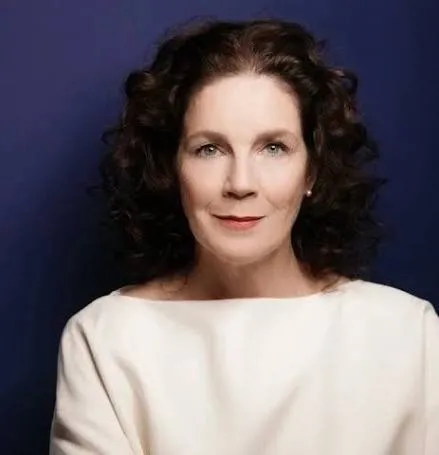
Dr. Sumbul Desai ist Vice President von Apple Health und Ärztin, die ihre Laufbahn in Medien und Unterhaltung begann, unter anderem bei ABC News und Disney, bevor sie Medizin studierte. In Folge 127 von Visionäre der Gesundheit fragt Inga Bergen, Expertin für KI und Digital Health und eine der führenden Stimmen für die Zukunft des Gesundheitswesens, warum Apple Wearables wie die Apple Watch eng an diagnostischen Standards ausrichtet, aber keine Diagnosen stellt. Desai erklärt, dass Apple die Arzt-Patienten-Beziehung ergänzen will und Nutzer:innen vor dem Arztbesuch informieren möchte. Sie beschreibt, warum Datenschutz die Produktentwicklung bestimmt, etwa durch Verarbeitung auf dem Gerät. Zudem betont sie Prävention als Ziel, mit Funktionen wie Schlafapnoe-Erkennung und Hörtest über AirPods. Das Gespräch verbindet Produktbeispiele mit der Frage nach Verantwortung gegenüber Daten.


Warum das Thema wichtig ist

Man sollte von seiner Technologie denselben Datenschutz erwarten wie von seinem Arzt. Das sollte keinen Unterschied machen.
Wearables messen inzwischen Herzrhythmus, Schlafatmung und Hörvermögen nach Maßstäben, die bisher der Arztpraxis vorbehalten waren, und die Daten landen bei Millionen Menschen, bevor ein Arzt sie sieht. Das Gespräch zwischen Inga Bergen und Dr. Sumbul Desai klärt, wo die Grenze zwischen Verbrauchertechnologie und Diagnostik verläuft: Ein Gerät, das Auffälligkeiten mit hoher Treffsicherheit meldet, aber bewusst nicht diagnostiziert, verlagert die Verantwortung zurück in die Versorgung und verlangt von Praxen, Kassen und Regulierern eine Antwort auf die Frage, wie solche Vorab-Informationen sinnvoll aufgenommen werden. Relevant ist die Folge für Ärztinnen und Ärzte, Vertreterinnen und Vertreter von Krankenkassen und Kostenträgern, Regulierer, HealthTech-Gründerinnen und -Gründer sowie Verantwortliche für Digitalisierung und Datenschutz, die abwägen müssen, wie sich Prävention und Schutz sensibler Gesundheitsdaten verbinden lassen. Inga Bergen, Expertin für KI und Digital Health und eine der führenden Stimmen für die Zukunft des Gesundheitswesens, ordnet in „Visionäre der Gesundheit“ ein, wie Verarbeitung auf dem Gerät, Prävention und die Arzt-Patienten-Beziehung zusammenspielen.
key take aways
Zentrale Erkenntnisse
Die Schlafapnoe-Erkennung der Apple Watch wurde gegen den Goldstandard Polysomnographie entwickelt.
Die Apple Watch erkennt passiv mittelschwere bis schwere Schlafapnoe während des Tragens über Nacht.
Der Hörtest über AirPods dauert 5 Minuten und liefert ein klinisch validiertes Audiogramm.
Die Hörgerätefunktion der AirPods ist für leichten bis mittelschweren Hörverlust vorgesehen.
Die Apple Heart and Move Study, Apple Hearing Study und Apple Women's Health Study lieferten die Grundlage für neue Funktionen.
Die Gastgeberin

Inga Bergen
Expertin für Digital Health & AI I Moderator | Founder | Angel Investor
"Visionäre der Gesundheit " Gründerin Inga Bergen ist eine der promintesten Stimmen für eine menschzentrierte Digitalisierung des Gesundheitswesens. Seit 15+ Jahren an der Schnittstelle von Technologie, Medizin und Gesellschaft. Im erfolgreichen Podcast und Newsletter "Visionäre der Gesundheit" ordnet Inga die digitale und KI-Transformation des Gesundheitswesens ein.


Der Podcast
Visionäre der Gesundheit
VdR - einer der meistgehörten Health-Podcasts in Deutschland mit über 1 Mio. Streams. Wir sprechen mit Ärzt:innen, Unternehmer:innen, Forscher:innen und Entscheider:innen über Innovationen, digitale Transformation, interkulturelle Medizin und die Zukunft der Versorgung. In über 170 Folgen, beleuchtet Inga Bergen mit ihren Gästen, Perspektiven, die Mut machen – und zeigt, wie Wandel im Gesundheitswesen wirklich gelingt.
Episoden BESCHREIBUNG
Apple Health im Gespräch: Wie Dr. Sumbul Desai Prävention, Datenschutz und medizinische Evidenz zusammenbringt
In dieser Ausgabe von "Visionäre der Gesundheit" spricht Inga Bergen, Expertin für KI und digitale Gesundheit und eine der führenden Stimmen für die Zukunft der Gesundheitsversorgung, mit Dr. Sumbul Desai, Vice President von Apple Health. Inga Bergen hat sie eingeladen, weil Desai zwei Welten verbindet, die selten zusammenkommen. Als Ärztin kennt sie die Praxis und das Vertrauensverhältnis zwischen Behandelnden und Patienten. Zugleich verantwortet sie Gesundheitsfunktionen, die Millionen Menschen täglich am Handgelenk oder im Ohr tragen. Für Inga Bergen, die selbst Apple Health nutzt und in einem Gremium einer gesetzlichen Krankenkasse zu Digitalisierung und Ethik berät, ist das eine seltene Gelegenheit, Innovation, Datenschutz und medizinischen Anspruch aus einer Hand zu beleuchten.
Wie kommt eine Ärztin von Medien und Entertainment zu Apple Health?
Der Weg von Sumbul Desai war alles andere als geradlinig: Sie begann ihre Laufbahn in Medien und Entertainment und wechselte erst nach einem einschneidenden persönlichen Erlebnis in die Medizin. Als 2001 ein Familienmitglied lebensbedrohlich erkrankte, erlebte sie das Gesundheitssystem erstmals aus Patientensicht. Besonders prägte sie der Rat eines Arztes, dass man durch eigenes Engagement für die Gesundheit selbst viel bewirken kann.
Daraus entstand ihr roter Faden: Menschen sollen befähigt werden, bessere Entscheidungen für ihre Gesundheit zu treffen. Sie studierte Medizin, beschäftigte sich in Stanford mit digitaler Gesundheit und stieß einige Jahre später zum Apple-Team. Ihre Idee dahinter war, dass Geräte, die Menschen ohnehin ständig bei sich tragen, zu einem echten Gesundheitspartner werden können.
Welche Gesundheitsfunktionen bieten Apple Watch und AirPods heute?
Das Angebot reicht inzwischen weit über Fitness hinaus und deckt viele Bereiche ab, die früher der Arztpraxis vorbehalten waren. Desai nennt unter anderem diese Felder:
Herz: EKG, Benachrichtigungen bei unregelmäßigem Rhythmus sowie bei zu hoher oder niedriger Herzfrequenz und die Messung der Cardio-Fitness.
Schlaf: Schlafanalyse, Einschlafroutinen und neu die passive Erkennung mittelschwerer bis schwerer Schlafapnoe.
Frauengesundheit: Zyklustracking und rückblickende Erkennung des Eisprungs.
Weitere Bereiche: Mobilität, Medikamentenverwaltung, Atemfrequenz, Blutsauerstoff, Gehör und mentale Gesundheit.
Die Schlafapnoe-Funktion wurde über Jahre entwickelt und gegen den Goldstandard der Polysomnografie validiert. Dafür wurde einer der größten Datensätze genutzt, auf denen je ein Wearable entwickelt wurde. Bewegung versteht Desai als enge Schwester der Gesundheit, wenn sie ein Rezept für alle ausstellen dürfte, wäre es Sport.
Warum stellt die Apple Watch keine Diagnosen und bietet keine Telemedizin an?
Apple will die Ärzteschaft ausdrücklich nicht ersetzen, sondern die Beziehung zwischen Patient und Arzt stärken. Deshalb werden die Funktionen zwar an diagnostischen Standards gemessen, die eigentliche Diagnose bleibt aber in der Praxis. Nutzerinnen und Nutzer sollen informierter ins Gespräch gehen und dort die richtigen Fragen stellen.
Eine direkte Anbindung an Telemedizin sieht Desai ebenfalls kritisch. Manche Menschen schätzen ihre Hausärzte und möchten nicht zu fremden Anbietern wechseln. Wichtig ist ihr zudem der sogenannte positive prädiktive Wert: Wer nach einem Hinweis zum Arzt geht, soll mit hoher Wahrscheinlichkeit tatsächlich eine Diagnose erhalten, damit niemand unnötig in die Praxis geschickt wird.
Wie funktioniert die Hörgerätefunktion der AirPods?
Die Funktion beginnt mit einem Hörtest, den man in rund fünf Minuten zu Hause mit den AirPods durchführt. Das Ergebnis ist ein klinisch validiertes Audiogramm, das die Hörgerätefunktion automatisch einstellt. Per Knopfdruck lässt sie sich für Menschen mit leichtem bis mittlerem Hörverlust aktivieren.
Desai sieht darin mehr als einen technischen Fortschritt. Der Einstieg erfolgt privat und mit vertrauten Geräten, was die Scheu vor Hörgeräten abbauen soll. Rund drei Viertel der Betroffenen sind bislang nicht versorgt. Wie viel das bedeuten kann, zeigt eine Nutzerzuschrift, in der eine Großmutter nach langer Zeit ihr sechsjähriges Enkelkind wieder verstehen konnte.
Wie schützt Apple sensible Gesundheitsdaten?
Apple setzt auf ein Konzept, bei dem Datenschutz am Anfang jeder Produktentwicklung steht und nicht nachträglich ergänzt wird. Ein großer Teil der Berechnungen läuft direkt auf dem Gerät und nicht in der Cloud. Wird die Health-Sicherung in iCloud genutzt, sind die Daten Ende zu Ende verschlüsselt, den Schlüssel besitzt Apple nicht.
Auch bei Forschungsstudien arbeitet das Unternehmen mit wissenschaftlichen Partnern, die Zugriff auf die Daten haben, während Apple nur aggregierte Ergebnisse ohne Personenbezug erhält. Desai räumt ein, dass dieser Weg Apple oft nicht zum ersten Anbieter am Markt macht. Aus ihrer Sicht ist das ein vertretbarer Preis. Ihr Grundsatz lautet, dass Technologie dieselbe Vertraulichkeit bieten muss wie eine Arztpraxis.
Welche Rolle spielt Apple Health im Verhältnis zur Medizin?
Apple versteht sich als Begleiter der Gesundheit insgesamt und nicht als Teil der klassischen Krankenversorgung. Das kann zu Behandlungen führen, aber auch zu Wellness-Angeboten, wobei körperliche und mentale Gesundheit gleichermaßen im Blick stehen. Fitnesspartner spielen dabei eine wichtige Rolle.
Gegenüber der Fachwelt will das Unternehmen seine Methoden offenlegen, damit Medizinerinnen und Mediziner Genauigkeit und wissenschaftliche Entscheidungen nachvollziehen können. Intern arbeiten Ärzte eng mit Designern und Ingenieuren zusammen, was Desai als besonderen Erfolgsfaktor sieht. Extern holt Apple die Einschätzung renommierter Fachleute ein, bei der Hörfunktion etwa die des Demenzforschers Frank Lin.
Kommen bald Funktionen für Diabetes oder Blutdruck?
Zu geplanten Funktionen äußert sich Desai nicht, sie bestätigt aber, dass Apple weiter an vielen Gesundheitsthemen arbeitet. Entscheidend sei, dass die Wissenschaft den Takt vorgibt. Das zeigen die Apple Heart and Movement Study, die Hearing Study und die Women's Health Study, aus denen konkrete Funktionen hervorgingen.
Die Messlatte bleibt hoch, denn Produkte müssen bei der enormen Nutzerzahl für sehr unterschiedliche Menschen zuverlässig funktionieren. Langfristig will Apple vor allem die Prävention stärken, weil Ärzte Menschen meist erst sehen, wenn sie krank sind. Wie wertvoll das sein kann, zeigt der Fall einer schwangeren Frau, die nach einer Herzfrequenzwarnung rechtzeitig ins Krankenhaus fuhr und so sich und ihr Kind rettete.
Im Gespräch mit

TRANSKRIPT
00:00
Inga Bergen
In dieser Folge von Visionäre der Gesundheit begrüßt Inga Bergen Dr. Sumbul Desai, Vice President von Apple Health. Sie ist die treibende Kraft hinter Apples Gesundheitsinitiativen und hat eine klare Vision: Gesundheitstechnologie, die jeden Apple-Nutzer im Alltag begleitet und unterstützt. Gemeinsam sprechen sie darüber, wie die Apple Watch als smarter Gesundheitsbegleiter neue Maßstäbe setzt, warum Datenschutz für Apple ein Grundpfeiler ist und wie präventive Ansätze die Gesundheitsversorgung revolutionieren können. Diese Episode ist in englischer Sprache Falls ihr nicht alles versteht, schaut einfach auf unsere Website. Dort findet ihr eine ausführliche Beschreibung der Episode. Ja, welcome to the Visionaries of Healthcare Podcast. I'm super excited about my guest today, Sumbul Desai. She's Vice President of Apple Health and has a long-time history in digital health and healthcare innovation and is also a physician. So very pleased to meet you, Sumbul.
01:25
Inga Bergen
Thank you so much for having me. What an honor.
01:28
Inga Bergen
Yes. Yeah, can you tell us a little bit about your role at Apple and how did you get there and what is your journey in the field of digital innovation?
01:42
Inga Bergen
Yeah, it's a great question. I never, you know, life takes you in directions that you don't always expect, so I never, you know, really thought that I would land in a place being able to do all this amazing work that we do, but have been very lucky and blessed. I started my career actually not in medicine. I started it off in media and entertainment. I've always been fascinated by the role that communication and engagement has with empowering people. And, you know, you're in this amazing role to be able to provide inspiration and empowerment to individuals listening to your podcast. And that's always been something that's been incredibly fascinating to me. So, you know, started in that world. And in 2001, had a family member fall ill. And I think it was the first time that I was truly on a patient side of a life-threatening condition. And that really changed my perspective quite a bit. I fell in love with healthcare during that experience because one, just when medicine is, you know, coming together, the multidisciplinary nature of medicine is really remarkable, and it can lead to better outcomes. But also, one of the best pieces of advice I received during that experience was a physician telling me that, you know, through advocacy, you can empower— be empowered to, you know, advocate for yourself and drive to a better health outcome. And that always stayed with me. And I think that's been the thread that I've continued to pull on in my career to really drive people to be more empowered to make better decisions around their health and how do I use technology and communication to do that. And so post that experience, I decided to go back to medical school and was always fascinated by the role technology had and, you know, its ability to really democratize information. And at Stanford was very involved with the role that digital health could play in the delivery arena of health. And also just in terms of the education and engagement piece it can play. I got to know the Apple team a few years later. And the idea that we have these devices, whether it be the watch or the phone, that are with you all the time, how do we really think about leveraging that? We felt this responsibility to serve as a partner. And how do we leverage that technology to serve as your health partner and really, one, be proactive around your health, But to also provide actionable insights to you that are grounded in science, so you can actually make small changes in your life every day to drive to an overall healthier life. And then third, how do we do it in a privacy-preserving way? Obviously, the protection of data is incredibly important. And at Apple, we really believe that your data is your data. And it's on device. And we don't have access to it. We don't want to have access to it. And we want all— a lot of our processing happens on device, not in the cloud. And I think the idea for us was, how do I bring these three pillars together, the actionable insights, the science driving it, you know, the work and privacy to truly empower you to be engaged in your health? And, you know, my journey really plays— is kind of the backdrop to that. For me, it's been really important to drive that engagement and empowerment. And I'm very lucky to find a role that I could bring all of that together. Together in one place.
05:10
Inga Bergen
Yeah, there is so much in there actually, because also starting at ABC News and Disney, you know, this, this whole different way of looking at communication. And then I always say that the, the power we don't use at all in the healthcare systems are the patients themselves. So I, I really like the way you, you frame it. So I mean, let's get to, to Apple Health. Um, I'm, I'm a user. I told you in the beginning before we started that Sometimes I do jumping jacks in my bathroom at 11 o'clock at night to close my rings.
05:48
Inga Bergen
I love that. I do that too. I do dancing sometimes to close my ring, but I hear you. I love it.
05:54
Inga Bergen
Yeah, it's really funny. So at Apple Health, you have a clear mission. So let's get into that. And there are some really new exciting news really using Apple products as medical devices. So I would really love to highlight that because I think it's super interesting for my audience.
06:12
Inga Bergen
Yeah, we, we have a number of areas. So, you know, the mission is really how do we enable you to live a healthier day and how do you, how do you get proactive around your health? Right. And we are constantly obsessed on how do we democratize things that you traditionally may have access to in a physician's office and bring it to a user. So that's like our heart area where we have ECG, irregular heart rhythm notification. But of course, we also have just high and low heart rate. Just people understanding their heart rate is so important. And we've seen the impact it can have. We have users send letters to us all the time, just noticing that their heart rate's elevated. Then we obviously have sleep. Knowing how you're sleeping, measuring how you sleep, your sleep hygiene, how you— your preparation for sleep. So we have kind of wind down. And now we have sleep apnea, which we released on Watch, which is the ability for Watch, if you're wearing your watch overnight, to passively detect if you have moderate to severe sleep apnea. That feature has been years in the making. It's one of the largest data sets that we've had, that a wearable has been developed against. And we developed that feature against the gold standard of polysomnography. So we've spent a lot of time on the science of that feature. And we have mobility, so about how you walk, how you— your walking steadiness. And I forgot to mention, with our cardiac space, we have the cardio fitness feature, which is measuring your VO2 max and giving you a sense of where you stand because that's a— it's a very important metric that has good data behind it being an indicator for your overall health and longevity. We have women's health. We have our cycle tracking feature. Our ovulation, retrospective ovulation detection. We've got— it's so funny because I'm thinking through all of our areas, and I'm sometimes in a mix. We have Medications, the ability to track your medications. Vitals, where you can bring all of your features together in one place. We've got the Respiratory area, measuring your respiratory rate and your blood oxygen levels. We have now Hearing. So we have the Noise app on Watch, but we just introduced the hearing aid functionality on AirPods, so the ability to not only test your hearing using our hearing test that's clinically validated against the gold standard, but then actually being able to turn on the hearing aid functionality should you have an issue with your hearing. We also have obviously loud sound protection, which everyone can use. We also, for example, have all of the work that we've done in mental health and state of mind, paying attention to, you know, retrospectively identifying how you're feeling and then being able to take clinically validated measures of your mental health. So our goal has really been how do we build these building blocks across all these areas of health and bring them together in a way that enable you to be proactive around your health and to get actionable insights. And, you know, even our fitness work, we really think of our fitness work as a close sister to our work in health because health is movement. Like, if I could, you know, prescribe anything, it would be exercise. And so we really do think of our work holistically and health both on how do you stay healthy in the moment, but how do we proactively detect things and how do we help you avoid things in the future?
09:19
Inga Bergen
Yeah, I often really get the question since you emphasized earlier on empowering people with their own data that they collect that also belongs to them. And I really often get the question of what do I do with this data because it's not a diagnosis and there's an interpretation, but it's not personalized. I mean, you're going there in some areas, but this is a question that I often get. Why is that so? Why isn't it like a diagnosis? Why isn't there any, like, connection to, like, a telehealth service and these kind of things?
09:58
Inga Bergen
Yeah.
09:59
Inga Bergen
Do you get that question?
10:01
Inga Bergen
I get that question a lot. Yeah, we do. And, you know, listen, I mean, if a few things— one, we think the role of a doctor is really important. And so we don't want to replace the physician. So part of what we're trying to do is put more empowerment in the role of the user's hands so that they better understand their health before they go in and talk to a doctor. But we do We do think talking to a doctor is a really important step and that, you know, we spend a lot of time working with the medical community because we want to drive that partnership between patient and physician. And so we want to augment that relationship, not replace it. And so we really kind of go up to the level where we actually measure and, and build our products against diagnostic standards. But, you know, we're putting something in the hands of a consumer. So we really want to make sure it's incredibly accurate. But we also want to guide them back to their physicians because we really value that physician-patient relationship. And so, you know, that's been one of the reasons we've taken that step. To your point on the telehealth, I mean, I've heard that as well. The reality is, is that, that, you know, when we step and look at those things, some people love their own doctors, some people don't want to go to a different doctor. And so again, it just goes to respect of the physician-patient relationship where at this point we've really tried to partner with the medical community so they understand what we're doing, so they're in a good position to receive the information and really focus on that aspect of the approach. But we do believe the science needs to be good enough. So to, you know, to your point, the science is strong enough where we make sure that we are accurate, where when you go to a doctor, you are more likely— and what we call that is positive predictive value— to make sure that you are going to get a diagnosis. We don't want to send you to the doctor unnecessarily. And so while we may not be providing the diagnosis in your palm, we're giving you all of the information that will lead to a diagnosis, and hopefully that's helpful right there as well.
12:00
Inga Bergen
Yes. And I mean, you mentioned the two areas where you're moving towards really a medical product, of course, evidence and data-backed in sleep apnea and hearing aid. And I know that a lot of people are waiting for a diabetes feature and, you know, heart pressure feature. And, and what is in the pipeline? What is your What are you working on? Can you talk about that?
12:25
Inga Bergen
I wish I could, but unfortunately I can't. But what I will say to you is, you know, we are going to continue to pull the thread in areas to be proactive around your health. Right. And the science, we always think about the science leading the way. So the reason we've done the Apple Heart and Move Study, the Apple Hearing Study, which actually led to the development of the hearing test features, is— and then the Apple Women's Health Study, which led to a lot of our women's health features— is we let the science drive the development of our products. And we know those areas are really important areas. And we're going to continue to drive the science to make sure that we can put something out there that we feel good behind, that we feel will be impactful, that will be accurate at the scale that we work at. There's always the challenge of when the number of people that we— the world that uses our products, we have to make sure that we can develop products that are accurate for that world. So the science becomes incredibly important and we're just excited to, you know, drive people to sense things before they become problems, which is why we love proactively sensing things that may pop up. And, and yeah, we'll see where the science takes us. I will just say like with the hearing health features, just to touch on that a minute, you know, hearing's such a vital component of your connection to the world. And I think so many of us have just taken for granted that our hearing may get worse as we age and we don't want that to happen. Happen. We want people to, one, just remove the stigma around hearing aids and make it feel approachable. But then when people have the experience of taking a test and using their AirPods to take a test, just simply 5 minutes in your own home and getting a clinically validated audiogram that will then pro— you know, basically pre-program your hearing aid functionality. So just with a touch of a button, you can turn on the hearing aid feature for those with mild to moderate hearing loss and augment their hearing in the comfort of their our own home, we think is really powerful. You know, in addition to the benefit of the hearing that it gives you, the reason we think it's so powerful is it onboards people who may be concerned about trying hearing aids or may feel concerned about the stigma around hearing aids and does it in a very like private, personal way with very approachable devices. And we're really hopeful that that 75% of people that don't get the help they need that have hearing loss will start using this more to get some help and it becomes less scary to them. And that's another way of empowering people is how do we make people not fear getting help, but actually engage with it.
14:59
Inga Bergen
Yeah. And I mean, they are kind of also used to Apple products and the whole usability of them. And that's another thing when I look at elderly people using hearing aid and then using these apps and they function differently and it's kind of a challenge sometimes. Totally. So to have it all in one hand. But I would like to highlight another topic that I find super interesting because I'm also on the board of statutory German health insurance regarding digitalization and ethics, and we talk a lot about data protection, data security, and privacy. And I find the approach of Apple regarding privacy very outstanding. And yeah, you're nodding, so—
15:44
Inga Bergen
I am. I love that you understand this.
15:47
Inga Bergen
Yeah, because I mean, we always have the discussion, especially in Germany, around privacy of healthcare data, but then at the same time, collecting all these data points over such a long period of time has so many benefits for understanding your own health. So it's kind of a balance. Also, I'm super interested how you see it from a communication point of view. So yeah, what's your take on, on that topic?
16:13
Inga Bergen
You know, it's, it's one that I'm glad you really asked because I feel like you can't talk about it enough. I, I really think it's important for users and just citizens to really understand how the technology they use, how they treat data. And I think we have been, you know, privacy is not just a talking point for us, it's how we actually develop our products. We start with privacy. We often make decisions to not do certain products based upon the potential privacy implications. And so when we embark on developing a product, we really start with, one, can we do the, you know, the processing on device? So, so much of our processing for our algorithms happens on device. Two, we think about how do we make sure when we do a research study, for example, that we never see the data, you know. So we partner with with traditional scientists who have access to the data. And we just get that data aggregated, but make sure we don't have identifiable elements of any specific user. When you use things like iCloud to back up your health information, we leverage Touch ID, you know, the passcode, Face ID to encrypt it end to end. We don't have access to the key. And so we can never have access to that data in transit or at rest. And And, you know, in terms of our approach, candidly, we, we are sometimes and often not the first to market with products, but that's because we take a longer, more specific route around privacy and how we develop our products. And we'd rather make sure that your data stays private and take a little longer than necessarily rush to market and sacrifice anything related to privacy. So, you know, as part of all of our product decisions and all of our product conversations, privacy is always right there as part of the conversation. And it's something that we are incredibly proud of and are going to continue to do. But to your point, you have to be mindful and find innovative ways to manage those important trade-offs of continuously, you know, building amazing product, but keeping it private. And for the user, they should have access to all of their own data. It's their data, and we want to present it in a way that they can understand it, but also feel confident that nobody else has access to it.
18:37
Inga Bergen
Yeah, I think if I look at my Apple Health, I have probably like 6 or 7 apps that I connected to that can get access to my, to my health data because I want them to. But I think it's such an interesting perspective because it's actually the perspective of a physician. Yeah, this really like trustful relationship relationship that you have with your patients and that you really take care of, of, you know, not like distributing data by mistake or any stories or anything. Um, yeah, because that will destroy everything. And, and this leads me to like, how do you see yourself in this like big framework of medical or the healthcare system and the medical community? And, you know, where the patients go through, how, how do you position Apple Health or see Apple Health in that system?
19:31
Inga Bergen
Well, just one point that you just made I just want to touch on is that we really view from a privacy standpoint that you should expect the same privacy from your technology that you would from your doctor. That should be no different. And so that's really kind of our mantra and how we develop our work. In terms of how we see ourselves in the bigger medical community, health community, we're really focused on your health. And I always say there's a distinction between that healthcare, right? Like, we're really focused on your health. Now, that may lead to healthcare, that may lead to wellness experiences, but we really want to be holistic around your health, focusing on mental and physical health. You know, we do a lot with our— you know, our fitness partners are incredibly important because we view that as a holistic approach to health. And we view ourselves in terms of the medical community as our job is to show our work and be transparent around the science around our work so that the medical community understands us feels like they can ask us questions and understands the decisions and the accuracy and the scientific decision-making that went into their work. So they need to— and we actually leverage not just the physicians that we have on our team that work very closely with our designers and our engineers, and that's really a secret sauce that I feel like I'm very proud of in terms of how we work together. But we also partner a lot with the external medical community. We have key opinion leaders. We often get, you know, input as we're developing products like the hearing aid functionality, for example. We used one of the world experts, Dr. Frank Lin, who is well known for studying the impact and the modifiable change that hearing can have on dementia. And we leveraged him as a, you know, a key thought leader. So we really work very closely with the medical community because we think it's so important that again, we respect the physician-patient relationship and we want to augment it. So we really want their input to make sure that they understand the products that we develop.
21:28
Inga Bergen
Super interesting. And yeah, one last question that I have, I was longing to ask, was, um, I mean, you already said that you cannot talk about existing projects, um, or existing developments, but just share some insights of your strategic vision and strategic goals maybe for the coming years, what you can contribute also to health health and well-being worldwide with Apple Health?
21:56
Inga Bergen
It's gonna be a really boring answer, so I'm sorry. But we're really focused on, you know, we are going to continue to pull on the thread. So first of all, I'll share, we get letters almost every day from users and they share their personal experiences and they sometimes amaze us. They, you know, I've had a letter where someone just for hearing aid, for example, we got one last night where their grandmother was brought to tears by being able to hear her 6-year-old talked after a very long time using our hearing aid functionality. We hear from— I had a mom many years ago, a few years ago, who had a high heart rate notification and went to the— she was pregnant. She went to the hospital. And had she not gotten to the hospital at the time she did, she would have lost herself and her unborn child. So those are things that stay with you, and they drive you to do more. And you heard the areas of work that we have. We are going to continue to pull in those areas on more areas and really drive more proactive preventative behavior. I really think prevention is something that we all learn as physicians is so important around your health, but there's very little practical things that happen, you know, day to day in between those doctor's visits. And so we want to continue to drive our users to live a healthier life and be proactive around their health. And, and that's really, you know, when you think about strategic goals and visions, if we could get people to understand how important prevention is to get ahead of of getting sick because, you know, so many times as physicians we see people when they're sick, not when they're well, and we want to keep people well. And so our goal is how do we continue to drive people to stay healthier longer? And we're going to continue to pull on the thread across all of the areas we talked about to see what more we can do.
23:37
Inga Bergen
Yeah, certainly works with me. So I will— maybe tonight I will switch to dancing in my bedroom. Yeah, also great idea, also for mental health. Exactly. Okay, so thank you very much for your time, and yeah, keep up the super meaningful work.
23:56
Inga Bergen
It was such a delight speaking with you. Yes, bye. Bye-bye. Thank you.