KI in der Medizin, Internationale Perspektive
Dr. Hannah Allen über KI im Gesundheitswesen Wie Heidi Health die medizinische Dokumentation revolutioniert und Ärzten Zeit zurückgibt
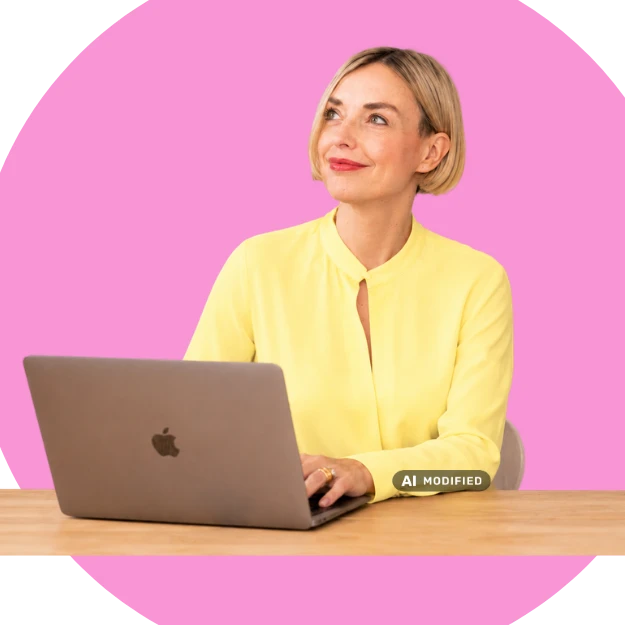
Dr. Hannah Allen ist Chief Medical Officer UK und EU bei Heidi Health und war zuvor als Ärztin im NHS sowie bei Babylon Health tätig, einem der ersten großen KI-Symptomchecker und Triage-Systeme im britischen Gesundheitswesen. In Folge 159 von Visionäre der Gesundheit will Inga Bergen, Expertin für KI und Digital Health und eine der führenden Stimmen für die Zukunft des Gesundheitswesens, von Allen wissen, wie Ambient AI die medizinische Dokumentation im NHS bereits heute verändert. Allen berichtet, dass Heidi Health über 15 Millionen Konsultationen transkribiert und rund 4 Millionen Stunden klinischer Kapazität zurückgegeben hat, erklärt eine Reduktion der Dokumentationszeit um 86 Prozent und betont, dass 95 Prozent der Kliniker weniger Burnout berichten. Dabei macht sie deutlich, dass Ziel nicht der Ersatz von Ärzten ist, sondern ein KI gestützter Care Partner, der Patientenbeziehung und Versorgung stärkt.


Warum das Thema wichtig ist

Wir haben die Anzahl der Pflegekräfte in den letzten fünf Jahren um 30 Prozent erhöht und sehen keinen Anstieg der Produktivität.
Ärztliche Dokumentation frisst heute einen Großteil der Konsultationszeit, während gleichzeitig Burnout in der Medizin zunimmt und ein einfacher Personalausbau, wie das Beispiel steigender Pflegekapazitäten ohne Produktivitätsgewinn zeigt, das Problem nicht löst. Die Folge macht konkret, wie Kliniker mit Halluzinationen, De-Skilling und der Frage nach Haftung umgehen, wenn ein KI-Scribe Teil der Patientendokumentation wird, und wo Verify-Mechanismen und Human-in-the-Loop-Prinzipien tatsächlich greifen. Relevant für Ärztinnen und Ärzte, Klinikleitungen im NHS und darüber hinaus, HealthTech-Gründerinnen und Gründer sowie Regulierer, die Governance-Standards für KI-Medizinprodukte mitgestalten. Inga Bergen, Expertin für KI und Digital Health und eine der führenden Stimmen für die Zukunft des Gesundheitswesens, ordnet im Gespräch mit Allen ein, wo Verantwortung zwischen Mensch und System künftig verläuft.
key take aways
Zentrale Erkenntnisse
De-Skilling bezeichnet den schleichenden Verlust klinischer Fähigkeiten durch dauerhafte KI-Nutzung.
Medizinisches Wissen verdoppelt sich alle 73 Tage.
Heidi Health transkribierte über 15 Millionen Patientenkonsultationen im NHS.
Die Pflegekräftezahl stieg in fünf Jahren um 30 Prozent ohne Produktivitätszuwachs.
Beim Human-in-the-Loop-Prinzip gelangt nichts ohne ärztliche Freigabe in die Patientenakte.
Die Gastgeberin

Inga Bergen
Expertin für Digital Health & AI I Moderator | Founder | Angel Investor
"Visionäre der Gesundheit " Gründerin Inga Bergen ist eine der promintesten Stimmen für eine menschzentrierte Digitalisierung des Gesundheitswesens. Seit 15+ Jahren an der Schnittstelle von Technologie, Medizin und Gesellschaft. Im erfolgreichen Podcast und Newsletter "Visionäre der Gesundheit" ordnet Inga die digitale und KI-Transformation des Gesundheitswesens ein.


Der Podcast
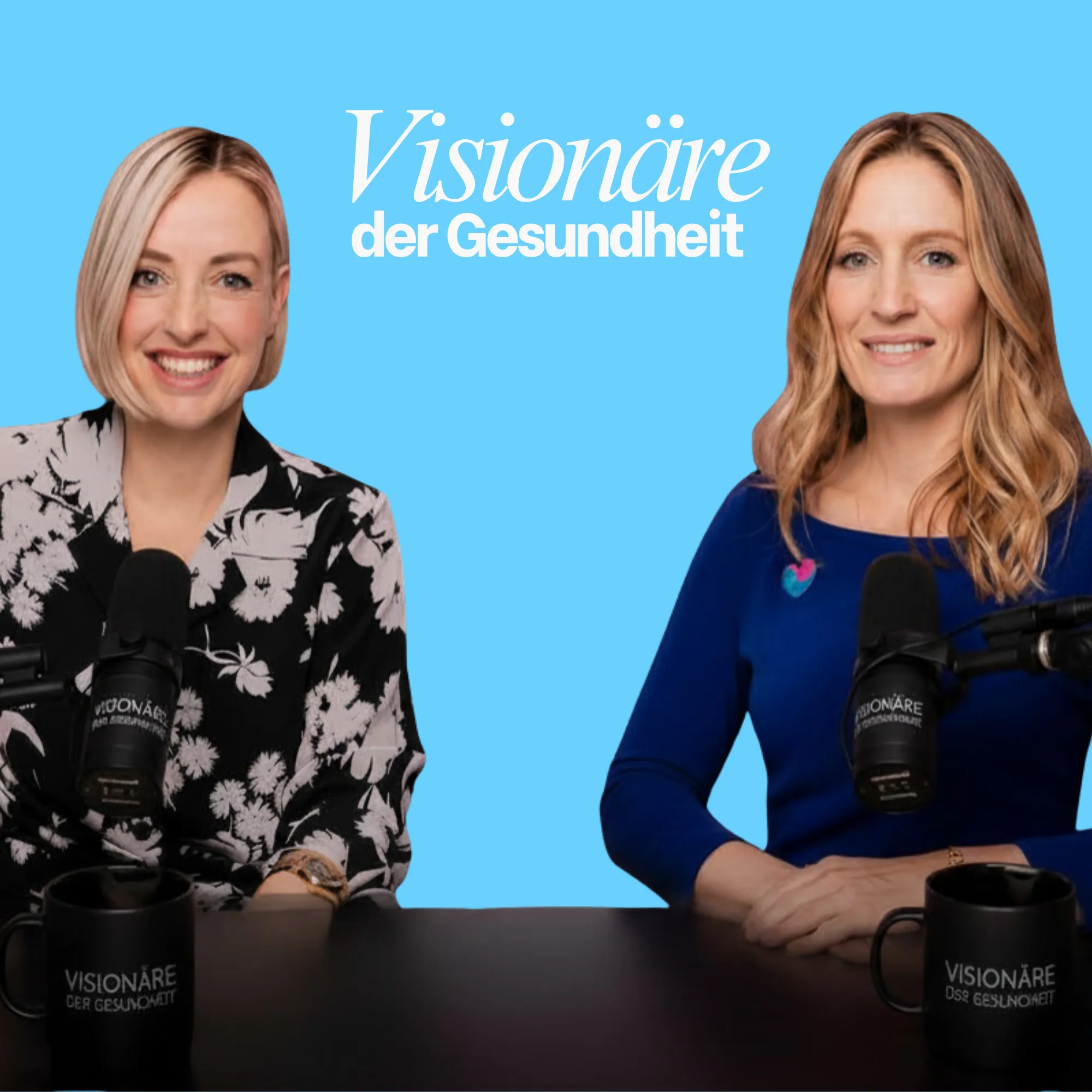
Visionäre der Gesundheit
VdR - einer der meistgehörten Health-Podcasts in Deutschland mit über 1 Mio. Streams. Wir sprechen mit Ärzt:innen, Unternehmer:innen, Forscher:innen und Entscheider:innen über Innovationen, digitale Transformation, interkulturelle Medizin und die Zukunft der Versorgung. In über 170 Folgen, beleuchtet Inga Bergen mit ihren Gästen, Perspektiven, die Mut machen – und zeigt, wie Wandel im Gesundheitswesen wirklich gelingt.
Episoden BESCHREIBUNG
Let me view the truncated middle portion.
Dr. Hannah Allen über KI im Gesundheitswesen: Wie Heidi Health die medizinische Dokumentation revolutioniert und Ärztinnen und Ärzten Zeit zurückgibt
In dieser Folge von Visionäre der Gesundheit spricht Inga Bergen, Expertin für KI und digitale Gesundheit und eine der führenden Stimmen für die Zukunft des Gesundheitswesens, mit Dr. Hannah Allen, Chief Medical Officer für Großbritannien und die EU bei Heidi Health. Inga hat sich diesen Gast bewusst ausgesucht, weil Hannah Allen eine seltene Kombination mitbringt: Sie hat als Ärztin im britischen NHS an vorderster Front gearbeitet, war früh bei Babylon Health dabei, hat selbst ein Unternehmen im Bereich Frauengesundheit gegründet und verantwortet heute die klinische Seite eines der am schnellsten wachsenden KI-Unternehmen im Gesundheitssektor. Dadurch kann nur sie erklären, wie sich Versprechen und Realität von Ambient AI im echten Versorgungsalltag unterscheiden, gestützt auf belastbare Daten aus einem Gesundheitssystem, das solche Zahlen tatsächlich erhebt.
Warum wechselt eine erfahrene Ärztin von der Patientenversorgung in ein KI-Startup?
Hannah Allen beschreibt sich als zutiefst sinngetrieben und erklärt, dass jede Station ihrer Laufbahn dem Ziel gedient habe, Versorgung besser zu machen. Als angehende Hausärztin habe sie sich häufig überfordert gefühlt, weil die Zeit nie ausreichte, um Patientinnen wirklich gerecht zu werden. Genau dieser Mangel an Nähe und Präsenz habe sie ab etwa 2015 in die digitale Gesundheit getrieben, zu einem Zeitpunkt, als das für eine Ärztin noch als ungewöhnlich galt.
Bei Heidi Health sei sie zunächst skeptisch gewesen, weil sie die Startup-Szene bereits gut kannte. Überzeugt habe sie schließlich der erste eigene Test in einer lauten Umgebung mit störenden Kindern, bei dem die Genauigkeit und Geschwindigkeit der Aufzeichnung sie überrascht hätten. Im Gespräch wird deutlich, dass für ihre Entscheidung drei Faktoren zusammenkamen: ein Gründungsteam mit hohem Anteil an Klinikerinnen und Klinikern, ein ernsthaftes Engagement für Sicherheit und Governance sowie ein Produkt, das den Arbeitsalltag spürbar verändern kann.
Welche messbaren Ergebnisse liefert Ambient AI im NHS tatsächlich?
Der Gast berichtet, dass Ambient AI im NHS erstmals Wirkung in großem Maßstab zeige. Inzwischen nutze etwa jede zweite Hausarztpraxis das System, über alle Versorgungsstufen hinweg. Nach Schätzungen seien rund vier Millionen Stunden klinischer Kapazität an das Gesundheitssystem zurückgegeben worden, bei mehr als fünfzehn Millionen dokumentierten Konsultationen.
Für die tägliche Arbeit bedeute das laut Allen konkrete Entlastung: In der Primärversorgung sei die Dokumentation außerhalb der Sprechstunde um einundsechzig Prozent gesunken, die Dokumentationszeit insgesamt um sechsundachtzig Prozent. Besonders bemerkenswert findet sie, dass fünfundneunzig Prozent der Behandelnden von einem geringeren Ausbrennen berichten. Sie leitet daraus die Hoffnung ab, dass Fachkräfte dem System eher erhalten bleiben, in einer Zeit, in der viele es erschöpft verlassen wollen.
Was bedeutet der Schritt vom Scribe zum KI-Care-Partner für den Arbeitsalltag?
Im Gespräch erklärt Allen, dass die reine Transkription nur der Einstieg sei. Das eigentliche Ziel bestehe darin, die weltweite Versorgungskapazität zu verdoppeln, ohne die Medizin zu entmenschlichen. Ärztinnen und Ärzte verlören ihre Zeit nicht nur an die Dokumentation, sondern auch an das Nachbereiten von Aufgaben wie Überweisungen, Laboranforderungen oder Röntgenbestellungen.
Ein KI-Care-Partner solle genau diese administrativen Tätigkeiten übernehmen, damit sich Behandelnde auf den Menschen konzentrieren können. Allen vergleicht das mit einer Art Assistenzärztin, die ständig mitläuft und Routineaufgaben abnimmt. Als Beispiel nennt sie ein ansteckbares Mikrofon für Visiten und Hausbesuche, weil Versorgung eben nicht nur im Sprechzimmer stattfinde. Aus Patientensicht bedeute das eine flüssigere Betreuung, etwa wenn eine komplexe Vorgeschichte in der Notaufnahme automatisch bereitsteht oder wenn nach einer Verordnung eine automatisierte Nachverfolgung erfolgt.
Wie geht ein KI-Tool mit Halluzinationen und Sicherheitsrisiken in der Medizin um?
Auf die Frage nach Fehlern und Halluzinationen betont Allen, dass immer ein Mensch die Kontrolle behalte. Nichts gelange in die Patientenakte, ohne dass die behandelnde Person es bestätigt habe. Zusätzlich gebe es Trainingsmodule und Hinweise im Produkt sowie die Vorgabe, nur in fließend beherrschten Sprachen zu konsultieren, weil am Ende die Verantwortung für die Richtigkeit bei der Ärztin oder dem Arzt liege.
Eine Funktion namens Verify markiere Passagen mit niedriger Sicherheit oder mögliche Fehler, etwa bei Medikamentennamen, damit sie überprüft werden können. Im begleitenden Wissensprodukt seien alle Quellen nachvollziehbar und ließen sich an regionale oder klinikspezifische Vorgaben anpassen. Allen verweist zudem darauf, dass menschliche Fehler im Versorgungsalltag selten gemessen würden, während Technik deutlich kritischer beobachtet werde. Nach eigener Aussage habe es bislang keine bedeutenden Halluzinationen und keine Patientenschäden gegeben, was durch regelmäßige Analysen mit den NHS-Partnern begleitet werde.
Bedroht KI die berufliche Identität von Ärztinnen und Ärzten?
Inga Bergen spricht offen die Sorge an, dass KI nicht nur Arbeitsabläufe verändere, sondern auch die Frage aufwerfe, wer man als Fachkraft noch sei, wenn Wissen jederzeit verfügbar wird. Allen bestätigt, dass sie diese ethische Dimension intensiv beschäftige und im Team viel diskutiert werde.
Sie ordnet die Befürchtung historisch ein und erinnert daran, dass jede medizinische Neuerung, bis hin zum Stethoskop, zunächst als Bedrohung empfunden wurde. Zugleich betont sie, dass mehr Personal allein die Produktivität nicht steigere, weshalb es darum gehe, Dinge anders zu tun. Wichtig sei, Menschen im eigenen Tempo mitzunehmen, transparent über Nutzen und Risiken aufzuklären und auch das Thema des schleichenden Kompetenzverlusts ernst zu nehmen. Ein großer Teil ihrer Rolle bestehe genau in dieser Aufklärungsarbeit.
Welchen Vorteil bietet ein modell- und anbieterunabhängiges KI-System im Gesundheitswesen?
Allen erklärt, dass große Technologiekonzerne oft langsamer und weniger auf Klinikerinnen und Kliniker ausgerichtet seien und häufig für die Abrechnung statt für den Versorgungsalltag bauten. Behandelnde entschieden jedoch mit den Füßen und griffen selbst dann zu Heidi, wenn ihr System bereits eine kostenlose Alternative enthalte.
Da in vielen Gesundheitssystemen zahlreiche Akten nebeneinander bestehen, die nicht miteinander kommunizieren, sieht sie im anbieterunabhängigen Ansatz einen echten Vorteil, weil sich unterschiedliche Systeme verbinden lassen. Sie befürwortet die Idee einer einzigen Patientenakte, die den Menschen gehört und überallhin mitgenommen werden kann. Ein spürbarer Nutzen für Patientinnen und Patienten entstehe zudem durch verständliche, laiengerechte Zusammenfassungen und durch das laute Mitsprechen während der Untersuchung, das die Behandlung zu einem gemeinsamen Erlebnis mache und nachweislich die Ergebnisse verbessere.
Wie müssen Ausbildung und Patienten auf diese Zukunft vorbereitet werden?
Zum Abschluss betont Allen, dass Bildung eine zentrale Rolle spiele. Im Alltag würden Menschen zunehmend vertraut mit KI, im Gesundheitswesen sei die Zurückhaltung wegen der höheren Einsätze jedoch größer. Sie sieht es als Aufgabe der Anbieter, transparent zu erklären, was und warum gebaut wird, und gemeinsam mit Regulierung, Politik und Patientenvertretungen eine klare Geschichte zu erzählen.
Gleichzeitig gehe es darum, die Wahlfreiheit zu respektieren, denn wer KI in der Konsultation ablehne, dürfe das tun. Inga Bergen ergänzt, dass sich auch die medizinische Ausbildung grundlegend wandeln müsse, weg vom reinen Wissen und hin zu Vertrauen und Gesprächsführung. Allen bestätigt, dass viele medizinische Fakultäten sich zwar verändern wollten, dies aber mit Verzögerung geschehe, und dass Heidi inzwischen häufiger eingeladen werde, um kommende Generationen von Fachkräften auf diese Entwicklung vorzubereiten.
Im Gespräch mit


TRANSKRIPT
00:15
Inga Bergen
Dr. Hannah Allen is Chief Medical Officer UK and EU at Heidi Health and a former NHS physician who has spent her career at the intersection of clinical practice and digital innovation. In this episode, she joins Inga Bergen to explore how AI is already reshaping the reality of healthcare. They discuss how ambient AI is reducing the heavy administrative burden on clinicians, with real-world results from the NHS showing millions of consultations documented and significant time given back to doctors. Dr. Allen also explains why the goal is not to replace physicians, but to support them with intelligent systems that act like a true care partner. The conversation goes further into patient benefits, safety, and the big question: how AI will redefine the role of doctors in the coming years. Stay with us to understand why this shift is already happening and what it means for the future of medicine.
01:08
Inga Bergen
So hello and welcome to today's episode of Visionaries of Healthcare. I am super excited about my guest today, and as you can hear, it's an English episode again. Because my guest today is Hannah, Hannah Allen. Very nice to have you as my interview partner for today. Hello, Hannah.
01:29
Dr. Hannah Allen
Hello. Thank you so much for having me. I'm super excited to be here.
01:33
Inga Bergen
Yes, Hannah, you have a long journey. You are a medical practitioner. You work in the NHS. You worked in the NHS. You worked for Babylon Health. Lots of you know or remember Babylon Health, one of the first really, really big AI use cases in the NHS as a symptom checker and a kind of triage system. But now you're chief medical officer at one of the most, well, promising startups, AI startups, or scale-ups, I would say, Heidi Health. Heidi Health. How do you pronounce it, Hanna? Tell me.
02:11
Dr. Hannah Allen
That's a good question. I pronounce it Heidi, but I quite like the way that you say it, to be honest. Okay.
02:16
Inga Bergen
Well, it would be like a German surname, Heidi. Like Heidi Klum, but it has nothing to do with Heidi Klum. Heidi Health is an AI— well, Ambient Scribe started with Ambient Scribe, or started with training doctors in conversations, and is now becoming an AI assistant, also adding billing. And yeah, you joined Heidi Health. Why? Why did you join the company?
02:42
Dr. Hannah Allen
Gosh, what a good question. So, I guess to step back in time to give you a little bit more color and context to me. So I guess I'm very purpose-driven. So everything that I've done in my career has always been, you know, for the kind of greater good, right? So part of the reason why I became a doctor, I love the human side of medicine. I love communicating with people. I love helping people in difficult situations. So it was a natural course for me. And I was always very curious about science how to apply science to complex problems. So I was very excited when the world of like digital health came about, but also I was driven by the problems that I was trying to solve. So I wanted to deliver better— And there were a lot. Huge, huge amount. So I remember vividly sitting in my clinic as a GP trainee and trying to give quality care to pregnant and postnatal women and feeling like an utter failure. I felt like I didn't know I let them down. I felt like I couldn't cover all of the things that they needed to cover from their pelvic floor to breastfeeding to mental health challenges, et cetera, et cetera. And that was what really drove me into digital health because I could see that actually to reach these people, to give me more headspace, more time with patients, it was really using technology to do that. And that was back in kind of 2015. You know, we were just chatting before, but it was at a time when it was like a really odd thing to want to do as a doctor. You know, people would say to me, oh, that's a bit strange, isn't it? Telemedicine or using AI, what's that? And I guess I've sort of remained in that space and really kind of grown with the technology and the scope over the past 10 years. So I was at Babylon for a number of years sort of building products in various different regions and then building out the women's health product vertical as well. I was a founder as well. Um, in women's health, and then consult with a bunch of startups about the pitfalls and challenges of, of building. Um, and really honestly, when I came across Heidi, it was a, a doctor colleague said to me, oh, you should try Heidi out. And I thought, I'm a bit jaded. I'm a bit done with this startup scene. You know, I don't think anything's gonna really help. Everyone's drinking the Kool-Aid. Um, and they said, just give it a go. And so I said, okay, I'll try it. And I remember sitting there trying out Heidi in a noisy environment. My kids kept interrupting me. You know, my son was coming in saying, "I want to play FIFA," and my daughter was asking for Marmite sandwiches or whatever. And I thought, this is never going to record an accurate consultation. And then lo and behold, when I stopped the transcription button, it blew my mind what I could see. And it was so accurate, it was so fast, it was so nice to use. It felt like it was built for clinicians rather than forced on us, as all the legacy technology historically has been. And I was blown away. And so the product really, really sucked me in, and I haven't looked back. I think there are a few things that have to align in order for you to really jump at an opportunity. And for me, it was the founding team. So 20% of the founding team are all clinicians. So that really spoke to me because it means you really prioritize how the clinician feels and what the clinician sees. And B, the investment in a kind of compliance, governance, safety, et cetera, and C, the product. How good is the product? How much is it going to change? And for me, it was radically going to change the way that we deliver healthcare. So I jumped on board.
06:28
Inga Bergen
Yeah, so that's super interesting because ambient AI scribing is the fastest-growing category in health IT at the moment, and it's super crowded. There are many, many companies moving into the direction. And there is lots of expectation and now there is a little bit of data. And that's what I, as a German, always find super interesting when talking to somebody who works in the NHS, because you have similar problems that we have in Germany, but you have lots of data and more opportunity to access data. And you have just released an impact report And the numbers are really super interesting because from my point of view, Ambient AI is really one of the first tools showing impact at scale. So maybe we can deep dive into that a little bit from your, well, individual feeling that this could be of benefit, you know, for your challenge, not being fully present with your patients at a broader scale.
07:38
Dr. Hannah Allen
Yeah, absolutely. And I think that is the critical part, is that healthcare today is full of distraction. It's distraction from other humans, from nurses, from reception, from junior colleagues, from senior colleagues, from multiple patients, from, you know, noises, et cetera. It's full of distraction. And actually what's important in that interaction is the patient in front of us. And what we are seeing now with ambient is the ability to get rid of all of that accessory noise and distraction and just focus on the human in front of us, to give that warm care, to look the patient in the eye, to put your hand on their shoulder. You know, we have a privileged position as doctors, so really to allow us to focus on that warm care. And what we've seen since coming over to the UK, since launching, I've been with Heidi for 2 years, so since the inception, is, has been huge. So we've seen astronomic adoption and scale. So we're used by about 1 in 2 GPs now, used across the board from community primary and secondary care. And we've seen around 4 million hours of clinical capacity returned to the NHS estimated. So it's huge. We've transcribed over 15 million patient consults. And really importantly, is the impact that we're having both from a clinician perspective and a patient perspective. And what we've seen in primary care is a 61% reduction in out-of-consultation documentation. So what that means for a GP is that I'm getting home on time to go to my kids' football matches, or I'm having a lunch break. You know, I'm not working through on these, you know, awful 12-hour days now. I'm getting time back for me. We're seeing an 86% reduction reduction in documentation time across the board. And really importantly, seeing in the emergency setting and across the board, 95% of clinicians, 95% reporting reduced burnout. So we are now looking at a system that perhaps people will stay in the healthcare system to support our patients. Perhaps people will continue to want to work in this environment that is very challenging right now, where morale is low. Clinicians are trying to leave in droves. So perhaps this is the kind of answer to the challenges, the modern-day challenges that we're seeing in healthcare today.
10:09
Inga Bergen
What I find super interesting is that this is a starting point. So we now have a kind of AI platform race with all the big scale-ups, and there's always a starting point. I work a lot with Doctolib. They started with appointment making. Now they're moving into an operation system for the doctor's office. And Heidi Health has also a clear strategy and is becoming like an AI layer for the clinician's work. So starting with Scribe, adding Evidence, adding Commercials, adding all the, yeah, the optimization for billing, for example, and these kind of topics. Where do you see the potential as a clinician?
11:07
Dr. Hannah Allen
Yeah, great question. So I think if we take a step back and think about the problem we're trying to solve, right, the problem that we're trying to solve is all about giving time back to our clinicians, okay? And we have a really audacious mission, What startup doesn't? But it's about doubling the world's healthcare capacity without dehumanising it. And in order to double the world's healthcare capacity using technology, we have to look at where our time is sucked up. And yes, of course, it's, you know, used up in documentation when the patient's in front of us. But where else do we spend our time? Well, we spend our time, you know, synthesising data and thinking through what might the patient be coming in with. And also, when the patient leaves the room, you know, there's lots of tasks that fall out of that consultation. So whether it's ordering a chest X-ray, or ordering labs, or following up on referrals, or phoning to refer the patient into the hospital environment. So there's loads of other tasks that we have to do as clinicians that actually a lot of them technology can do better, faster, and more effectively. So let's allow the technology to do the jobs that it's better at, so we can focus on the human side of medicine. So that's why we are building out an AI care partner, and that means taking away the administrative burden of healthcare for the technology to do so that we can just focus on the human in front of us.
12:36
Inga Bergen
So my question always is, because if we look at healthcare, it's always such a national market with so many well, individual demands that every national market has that differ. And ID Health is an Australian startup. It's big in Australia. Now it's in the NHS. You are a GP, so you pretty much understand. I mean, you are also, you have been a founder, you have been around in the early days of digital health, so you know how to build a product and you know what kind of mistakes can be made so that a product is not really usable in the day-to-day, you know, like journey, user journey a GP has, or doesn't even need to be a GP. It can be any person working with patients or consulting patients. How do you make sure that you provide a product that is usable for a national market, like for the NHS? For example?
13:46
Dr. Hannah Allen
Yeah, so I think there are a few things, right? So I think firstly is remaining super clinician-centric. So that means having clinicians within the company that deeply understand the problems that we're experiencing, but also the nuances of all the different regional markets, right? One thing that's been really interesting, kind of going into Europe and spending some time in the US and Australia as well, is actually a lot of the problems Yes, they have, you know, regional nuances, but a lot of them are grossly very similar, right? And that was quite interesting. So I think it's having clinicians driving the helm, right? At the helm, you know, dictating the strategy and really making sure that everything is built from a clinician-centric perspective. And then it's really about ensuring that we can understand the workflows, because it's all very easy to build software and to deploy it to clinicians. But actually, you can't just go, "Here you go, off you go. Let's see how you use it. Good luck." To us, what's our north star metric is the adoption of it, because that's really where you start to see, A, do clinicians even like what we're building? And B, what does that mean for the healthcare system, right? The healthcare system's only going to realise the ROI if people are actually using it. So having that adoption there is really important. And how do you get high adoption? Well, you map out the workflows that people are using. You map out all the different systems that people are using. You know, how do they need Ambient to work for them in a real-world setting? It may be that we need to speak to 20 different systems. Okay then, well, that's what we need to build out. But if we don't map that out from the get-go, we won't understand how AI is really deeply integrated and embedded in a real workflow.
15:42
Inga Bergen
Yeah, so I always ask myself, if you have an AmbientScribe AI-first company, how do you get people to integrate your service into their system? Because now I would say that every systems provider in the healthcare system is working on AI scribe and on this AI layer. And, you know, as we all know, well, there are some good ones, there's some that are maybe not working that well. So, so what do you think? How can you compete as a, as a scale-up, uh, you know, in that race? Uh, that's a super interesting question.
16:21
Dr. Hannah Allen
Completely. And, and I think it's more than the Scribe, right? I think the Scribe is just the beginning. It's just kind of the wedge in. And actually, you know, how do you continue to build out clinician-centric products that work together? In an orchestration layer to build out this kind of intelligent care partner, essentially. Like having a junior doctor alongside of you as a senior clinician all the time, doing the tasks that we don't necessarily want to do. So one of the other products that we recently brought to market was the Remote. So it's a small, essentially, microphone that you can pin on you, and you can walk around on your ward rounds, you can go into the community and see patients in care homes. And it's, it's again, it's reflective of that clinician-centric perspective because we know that care happens in corridors and in ambulances and in all sorts of places, not just in isolated consultation rooms. So we have to adapt to the clinicians, not the other way around. And historically, it's always been technology that's forced on us that doesn't really work super well for us, is pretty clunky. And now we're in this realm where we can create products that genuinely answer pain points for us, and we can build them into essentially an orchestration layer, a chain of different tasks that can then do entire workflows for us. So, you know, imagine a world where you are going in to see your doctor and you don't have to keep repeating yourself because AI is synthesizing all of your data in real time and dynamically supporting your GP. Like that's worlds away from how we've practiced medicine historically.
18:05
Inga Bergen
I really like the picture you paint with a junior doctor, you know, walking besides you doing all the tests, because that's also a question I get confronted with a lot. And it is so interesting. I even had a solo episode on my podcast about it. Where I did something with AI and then late at night I just realized, wow, it's so much better than me. It can do things faster. It really gets to assumptions that I get to, but I need a lot more time for it. And I find that in healthcare clinicians, people who work also as nurses, for example, they find it super helpful, but at the same time, it's a kind of threat to identity, to a professional identity that is based on knowledge. And so it has this one layer, you know, where you describe the workflow, the workflow integration, freeing up like half of the, you know, the work time of medical staff worldwide. But then it has another layer, and that is Who are we when that becomes, well, true? What is your— have you asked that question to yourself? I assume, yes, you have.
19:35
Dr. Hannah Allen
Completely. I think it's been one that I've been pondering for a while, and we talk about it a lot at Heidi, the kind of ethical dilemmas around, you know, bringing in AI and You know, I think about sort of history of medicine as well. And, you know, historically, whenever there's been any change, it's been a threat and we've been sort of scared of it. And that's completely normal. That's human nature. You know, even bringing in the stethoscope, people are wary and thought they would de-skill us, et cetera. You know, this is a whole different kettle of fish, but I think it is important to remember that often human nature doesn't necessarily like change. And if we remember the environment that we're working in as well, where, you know, we know that increasing headcount isn't necessarily going to correlate with increasing productivity, right? We've increased nursing headcount by 30% over the past 5 years and see no rise in productivity. Like, human headcount isn't the answer. It's got to be how do we do things differently? However, I think that it's really important to educate people and work with people at the pace at which they're comfortable with. And that may be that it takes some time to bring in this type of technology to really see the full benefits of it. Because for some people it is scary and there is change and we understand that, which is why a large part of what I do in my kind of day-to-day role is around that education piece and supporting clinicians to understand, yes, there's these amazing benefits of kind of time-saving productivity, increased patient contact, improved patient outcomes, improvement in patient experience, but there's also risks and challenges along with it that you need to be aware of. And I think a big part of kind of gaining that, you know, trust and taking people along on the journey is being transparent about that as well. I think that's really important.
21:30
Inga Bergen
Oh, how— then we could dive into that topic because I would like to understand how do you handle hallucinations or edge cases, cognitive offloading risks? That are there. I mean, we talk a lot about de-skilling or never-skilling in medical care where people de-skill when they start using AI. They lose a bit of their, well, their skills over time, or they never build them up if they start using AI from scratch. And it's so interesting talking to people who are not really ahead of the AI game. I hear very often, I used AI, it hallucinated. And then I stopped using it. So, I would not get to that conclusion, but, you know, how do you answer to those kind of questions?
22:24
Dr. Hannah Allen
Yeah. So, really important questions. I think firstly, if we think about the environment that we're operating in, right? Humans aren't perfect and we know that. I know I make mistakes as a doctor, for example, as a GP. However, we aren't necessarily measuring them, right? Nobody sits in the room with me while I'm consulting with, you know, 40 patients in a day. But what we do know is that things like prescription rates rise towards the end of the day. You know, cognitive burden does rise and has an effect on our ability to, you know, make fast decisions, for example. So that's the environment that we're working in. However, you know, we've seen this amazing technology come along and really help us to kind of enjoy our day-to-day lives more, which is great. But as you, as you say, there are risks associated with this as well. So for sure, we see things like, you know, hallucinations, etc. It's a known risk of the technology. I think as a vendor, what we've, the way that we've kind of approached it is to have a reactive and a kind of proactive approach to governance, quality, safety, etc. And what that means is, you know, having reactive processes, guardrails, etc. in place, but also this kind of proactive way of working with partners with all of our NHS partners to say, you know, 'cause actually what's important is understanding, did any risks reach any end customers? Did any patient harm happen, et cetera? And then how do we learn from that? You know, and you know, we are very proud to say that there's been no significant hallucinations or errors and no patient harm, but we work on a, on a really regular cadence with NHS partners, as NHS Trusts do anyway, right? You know, and we have regular internal meetings to analyze our data, to feed back and make sure that those learnings are cascaded throughout the whole company.
24:26
Inga Bergen
I find that also super interesting because our perception of errors that technology, AI makes, it's much more critical than our perception of errors that humans make. I mean, at least you have more transparency in the NHS about human errors than we have in Germany because we don't have any transparency. But what I find super interesting is that when we look at, you know, this like one part of your product that is AI Scribe, then the clinician retains full responsibility for the accuracy of the record, the recording of the output. And it must be checked. But I find it super interesting because sometimes you may need extra validation in really complex scenarios, like in translation. And then, you know, a clinician could be like a liability sink for an AI tool. And how to prevent that? I mean, these are questions that we never had in the past, but now we have to answer them.
25:32
Dr. Hannah Allen
Um, completely. And, and remember, there's always a human in the loop. So all of this technology has to be created with human in the loop. So what that means is nothing goes into the electronic healthcare record without the clinician saying, yes, that is the conversation that I had with the patient. That's really important. Um, and you know, we do training modules and we have pop-ups in the product to make sure that our clinicians are satisfied that that really reflects it. When it comes to like translation, so importantly, we have guardrails around this as well. And as part of the education, we say to every clinician, only consult in the languages that you can speak fluently, because you have to ratify that note at the end of the day, you know. And to take that one step further, we also have real-time kind of verify, it's called verify within the product that flags up any like low certainty or, you know, any potential errors within the transcript, within the note, so that you can go back and say, "Hmm, I'm not sure that was what was said," or, "Is that the drug name that was said?" So that's also really important, an extra guardrail within our evidence product, which is essentially providing you as a clinician with the latest up-to-date medical knowledge. As we know, medical knowledge doubles every 73 days, so it's almost impossible to stay on top of everything. And it prevents me as a clinician from having multiple tabs open and being distracted again from my patient in front of me. Within the evidence product, everything is attributable to the sources. So you can click through to read what source was it pulled from. And all the sources you can tailor according to the region that you're in and even the hospital trust. So you might have specific formularies or guidelines that you have to follow as a clinician within that trust., and they are all inputted into evidence. So that's another kind of, you know, specific safety guardrail and quality guardrail in there as well.
27:33
Inga Bergen
Yeah, super interesting. And then on the other hand side, I mean, there's also all the EHR giants, you know, that are bundling scribing into their packaging. And what I find interesting, and I would love to hear your perspective as a clinician, is that you're model agnostic, so you can work based on like every AI model. And I mean, there are two different, well, two different strategies, you know, for every clinic to decide how to work with a model agnostic tool or with a, with a tool that does all these things that is integrated. What would be your answer as a clinician?
28:22
Dr. Hannah Allen
And Heidi? Yeah, yeah, of course. So I think that, again, historically, the kind of, you know, tech giants are often slower and less agile and less clinician-centric. They tend to build for, you know, for billing, for example, which will satisfy the CFO. However, when you are building a product that relies on clinicians using it. Clinicians speak with their feet. So we already see that clinicians will use Heidi over the free, you know, scribe that's provided as part of their EHR. So we know that the sort of strategy that we're taking of building that really clinician-centric product works. Moving forward, you know, when you look at the kind of landscape at the moment, within a lot of healthcare systems, there are multiple different systems and electronic healthcare records that don't speak to each other. And so being vendor agnostic from that perspective is a real advantage because we can speak to all of them and help to kind of string them together. You know, for example, in the UK at the moment— yeah, and we're talking about a single patient record, which I wholeheartedly agree with, right? It's somewhere where the patient can see everything everything about themselves, where the data belongs to the patient. They can turn up to A&E, they can turn up to the GP, they can go abroad and take it with them, you know. And actually having Ambient strung through all of those different systems to give the patient a whole record is hugely advantageous.
30:00
Inga Bergen
Yeah, totally. And that's also interesting that you mentioned the patient now, because I mean, all this Scribe, I don't know how it is in the NHS, but I have been a patient in the NHS, but that's maybe 15 years ago. So I don't know how it is today. Does the patient get anything, like documented?
30:22
Dr. Hannah Allen
Yes. Yeah. Yes. So what I think is really exciting about this technology, and we've seen it from, you know, from the patients that I speak to, that they love reading what Heidi has produced. Because we can say to Heidi, produce a patient-facing version of this that you can then send to the patient. So, as a GP, I would often get patients coming in to see me saying, oh, I've got this letter from the cardiologist, but you know, it's got all this lingo on there and I don't know what these acronyms stand for and can you explain this to me? Well, with Ambient now, they don't have that, right? They don't need to come in and critique everything with us because they've got you know, really broken down, really simply explained, you know, an A4 sheet detailing everything that had happened to them. So, they feel like they're taken on that journey much more than they would've done a few years back. Even I see it in clinical practice when I'm examining a patient, because I'm speaking out loud, the patients are saying, "Oh, that's interesting. I didn't know that's why you did that." Or I'm saying, you know, I'm pressing on your tummy now. Is it sore when I press in or when I let go? I'm speaking out loud for the purpose of Heidi, and the patients are— feel like it's much more of a shared experience. And actually, a lot of research supports the fact that if you have a shared experience, your patient outcomes improve. So that's really interesting as well.
31:49
Inga Bergen
Yeah, it's super interesting. And I'm really looking forward that we will meet at the Health in Amsterdam this year that we have ahead of us. And to sum up our conversation, I have a few quick questions. Just to, to really understand what you're aiming at at Heidi, you left the frontline medicine and your startup because you want to have impact at scale. And you said doubling healthcare capacity, that's your vision at Heidi. What does it actually look like? Not as a slogan, but in a real clinic 5 years from now, if we are really doubling healthcare capacity.
32:32
Dr. Hannah Allen
Yeah, so I love this. So I imagine a world as a clinician, and I'll explain it as a clinician and then as a patient. So as a clinician where I don't have to touch anything and I can focus on the patient in front of me, I'm pulling and pushing information to and from using my voice into a database, whatever that is, whether it's an electronic healthcare record or just a glorified database. And I can go about my day, I'm enjoying my day. Clinicians are retained within the workforce and it's a has a brilliant role to play in society. And then we see from a patient perspective that patient outcomes are improving. Patients feel like they're more listened to, like the doctor is on the journey with them, and that kind of real privileged rapport between patient and doctor is restored. And then as a healthcare system, we imagine that we can look at things in a much more intelligent way and proactive way rather than this reactive healthcare that we're seeing today. So we can analyze population health better. We can manage chronic disease much better with far better outcomes. So as a patient, imagine, you know, going to the emergency department and not having to explain all of your, you know, 15-year complex cardiovascular history anymore because it's seamlessly there in front of the doctor, pulling out all the salient parts for the doctor. Imagine you've been prescribed an antibiotic by me as a GP and you've gone home and I can check on you in 2 days' time via Heidi. And in fact, Heidi can even check on you every single day and report back to me, if we want Heidi to. That's the world that is a true reality if we continue at the trajectory that we're on.
34:17
Inga Bergen
Well, that answers my second question, sort of. When Heidi's going from AI scribe to the AI care partner, what's the difference that matters to patients? I mean, you pretty much answered that because the patients will also be involved in your vision Absolutely.
34:37
Dr. Hannah Allen
I think, look, you know, and it may be that patients are also taken more on this journey and able to critique their own notes. You know, I'd love to see a world where from a patient perspective, they're far more involved in their care. And again, the data supports the fact that if patients have personalised healthcare plans, they experience more of a shared care experience, then outcomes improve. So let's achieve that together collectively. I would love to see that. I think it's a super important thing. Exciting space to be in. And I'm really excited by the prospect of what healthcare looks like in the foreseeable future.
35:17
Inga Bergen
So my last question would maybe be, how should we train medical personnel and also patients, you know, to fully benefit from this, well, foreseeable opportunities in the future?
35:38
Dr. Hannah Allen
Yeah, I think this is a really important question and one that we think a lot about. We work with a lot of kind of medical schools and patient and public groups in the UK and further afield. I think that, you know, if we take a step back and think outside of healthcare, I think that people are becoming much more familiar with using AI in our everyday lives. When it comes to healthcare, it's often scarier, right? The stakes are higher, of course. But I think that the patient groups and medical students are certainly becoming more familiar with it. I think it's our role as a vendor to educate people and continue to, you know, be really transparent about what we're building, why we're building it, and bring people along on that journey, you know, and work with regulators, policymakers, you know, patient voice groups, groups, etc., collaboratively, to really tell that clear story. But I think it's the— there's always going to be a group of patients, doctors, etc., that are more scared. And I think it's our job to help them understand the benefits and the risks as well, but also to reflect— sorry, to respect their choice as well. Like, ultimately, if a clinician or a patient doesn't want AI in their consultation, then that's absolutely fine, right? We have to respect their choice.
37:10
Inga Bergen
Yeah, it's interesting that you say that because I think we need to fundamentally change also the education because if it's more about the patient conversation and about building that trust, I call it empathy because I find empathy not suitable. I think it's, it's a combination of, of being empathic and, and getting people to trust and to act act in a certain way so that they can support their health. I think we need to fundamentally change our education systems also in medical.
37:46
Dr. Hannah Allen
Yeah.
37:46
Inga Bergen
Yeah.
37:47
Dr. Hannah Allen
And you may, you may well be right. I think that a lot of the medical schools are trying to change. It often takes longer than they necessarily want to, to actually bring that to like frontline, you know, medical student training. But we're working and we're being asked to come and do talks with a lot of the medical schools and the kind of junior doctors now, which we weren't, you know, a couple of years ago. So it is changing. There's probably just gonna be a lag on that. And I think it's in part, you know, it is partly our responsibility to make sure that the future generation of doctors and nurses and healthcare professionals are all educated on this as well.
38:27
Inga Bergen
Yeah. Yeah. Thank you so much, Hannah, for your time and see you in Amsterdam. And I'm really—
38:36
Dr. Hannah Allen
I can't wait.
38:36
Inga Bergen
Lovely.
38:36
Dr. Hannah Allen
Yeah.
38:37
Inga Bergen
I'm kind of excited to watch your journey. And I will share the link to your research paper in the NHS in my show notes. Thank you so much for your time.
38:50
Dr. Hannah Allen
Thank you. Thank you so much for having me. See you in Amsterdam.